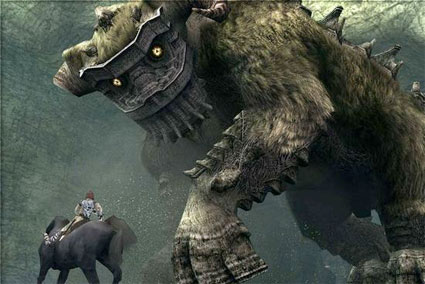
 There is an upcoming exhibition, The Art of Video Games, at the Smithsonian American Art Museum. The exhibit explores the evolution of video games as an artistic medium over the past 40 years. The winners were voted on by the public and the result was 80 games that were divided into era, game type and platform. The list can be viewed here.
As I looked through the list of winners I saw the progression from simple, abstract games to increasingly sophisticated visuals. This seems consistent with the criteria that were used to choose and score the games. These criteria focused on visual effects, creative use of technologies and work from influential artists and designers. Although this list of attributes created an interesting selection of games, I’m going to be more interested in the GameFest Event that will be run March 16-18. I see from the schedule that some of the panel discussions will get into the future of video games. Of the many possible topics about the future of video games, art and video games is one of the most contentious. A number of respected people don’t even think the two are compatible. Roger Ebert’s Video games can never be art is perhaps the most well known. The main belief is that games lack a convincing definition of how they represent art and at the most they are decorative rather than artistic. Although he later went on to regret ever making the statement as he didn’t even play video games (See Okay, kids, play on my lawn). I see the Kellee Santiago is on one of the panels and she has debated Ebert on this topic. I’m looking forward to her panel’s discussion about the future of video games. It would be interesting if they decide to focus on going beyond the criteria that were used to create the exhibit in the first place.
Spectacular visual effects and great concept art have not pushed games into the realm of fine art, at least for most people. This may be a matter of maturity, video games are still quite young. It may also be that we’re not having the right conversations because our worldview is so focused on the technological and programmatic side of video games. The growth of games may come from the expansion of our ontology, or vocabulary, that will allow us to start having the expanded conversations we need to being designing something different. My own person interest in this comes from my dissertation research. About 20% of my research subjects believed that they were outgrowing video games. They had reached a point where they were looking for something more from games and they couldn’t find it. They weren’t just making these demands of video games as they expected more challenging and thought prov0king experiences from every part of their life. They could find those kinds of experiences in literature, film and art but they weren’t able to find the same kinds of experiences that “stretched” them in video games. I think understanding how art and video games can become more synonymous is going to be one of the things that keeps those gamers from leaving games behind as they grow up and move onto bigger things in life. I truly believe that the talent in the video game industry can begin to develop those kinds of experiences. It isn’t likely to occur right away though, it will probably happen one conversation at a time.
 Outgrown Games
I find this article very interesting, because it relates to me and the way I see (or saw) video games.
I was really into video games when I was younger, but then as I got older, I decided to sell all my video game consoles because they did not have the same spark to me they once did.
It’s amazing how spot-on your article is! I went from gaming as a hobby (which is/was totally boring after a certain point), to watching movies, listening to music, and being more attuned to the “bigger picture” of electronics – things that are more useful in everyday life: iPads, computers, etc.
Now, I’m looking back, and realize that nothing really has replaced the impact that video games had on me before. I try to be into them if I can now, and compare them to the other forms of “art” around me, to reinforce any doubts I may have of video games being an “immature” or “meaningless” form of study or spending time.
Thanks for the comment Ryan, you’re not alone, there are a lot of people who have outgrown video games. I’m still doing some research on the topic and it seems to come down to one main thing, an experience is valuable if it helps to achieve valued, self-defined goals that ultimately make you happy. Everyone has their own perspective on how they define happiness. There is such a wide variety of film, music and literature options that it is likely you will find something that resonates with you. Unfortunately video games don’t seem to be growing and evolving in a way that would give them the same amount of variety. If the commentary from this year’s E3 was any indication, they are just perfecting the game that appeals to those players who are happiest when they can witness a slow-motion headshot. There are some indie game companies out there trying to do different things and hopefully when I’m finished this research I’ll be able to join them in developing some games that stretch the genre of games and can appeal to a more mature and sophisticated disposition. It will be an experiment so wish me luck.